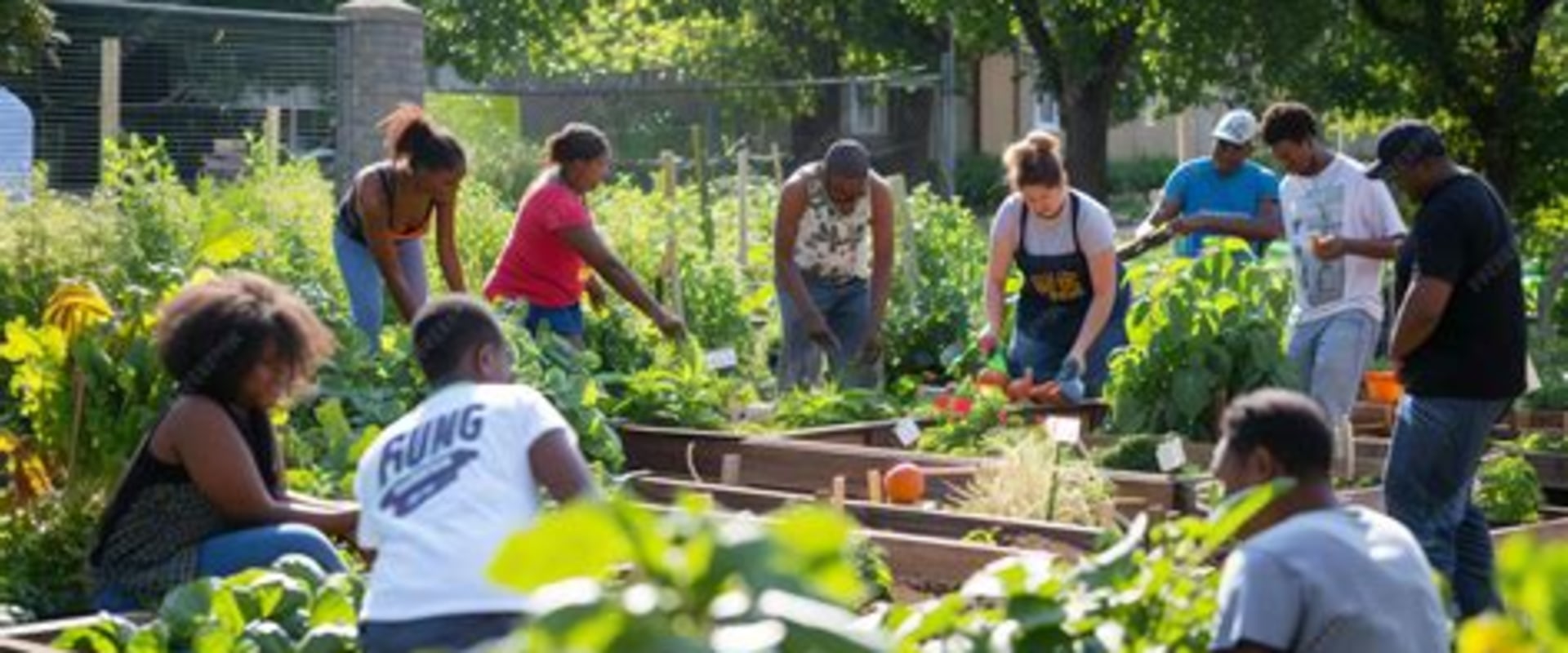
Communities thrive when people, organizations, and service providers work together to support essential systems that keep daily life running smoothly. From water and sanitation to energy and transportation, these services form the backbone of safe and functional neighborhoods. While many residents may not think about these systems on a daily basis, their reliability depends on consistent collaboration and shared responsibility. When local governments, private companies, and community members align their efforts, they create a network of support that ensures essential services remain efficient, accessible, and resilient.
The Role of Local Organizations and Residents
Community efforts often begin at the local level, where residents and organizations identify needs and take action to address them. Neighborhood associations, volunteer groups, and local leaders play an important role in raising awareness about maintenance, conservation, and safety practices. Simple actions, such as reporting issues early or participating in community initiatives, can have a significant impact on the overall effectiveness of essential services. By staying informed and engaged, residents contribute to a culture of responsibility that supports long-term sustainability.
Partnering with Skilled Professionals
While community involvement is vital, the expertise of skilled professionals is equally important in maintaining essential systems. Service providers bring the technical knowledge and tools needed to diagnose problems, perform repairs, and implement improvements. Working with trusted sewer and drain service professionals ensures that critical infrastructure, such as water and waste management systems, operates reliably. These partnerships allow communities to address challenges efficiently while benefiting from specialized expertise that enhances the quality and durability of essential services.
Preventative Maintenance and Shared Responsibility
Preventative maintenance is a key aspect of supporting essential services, and it requires cooperation between all stakeholders. Regular inspections, timely repairs, and proactive planning help prevent small issues from escalating into larger problems. Communities that prioritize maintenance not only reduce costs but also minimize disruptions that can affect daily life. This shared responsibility creates a sense of ownership and accountability, encouraging everyone to contribute to the well-being of their environment.
Building Resilient Infrastructure
Collaboration also plays a crucial role in building resilient infrastructure that can withstand changing conditions and unexpected challenges. By working together, communities can develop strategies that address both current needs and future demands. This includes adopting sustainable practices, investing in modern technologies, and ensuring that systems are adaptable to growth and environmental changes. Resilient infrastructure not only supports essential services but also enhances the overall quality of life for residents.
Encouraging Education and Awareness
Education and awareness are essential components of effective community collaboration. When people understand how essential systems work and why they matter, they are more likely to support initiatives that protect and improve them. Community programs, workshops, and outreach efforts help bridge the gap between technical knowledge and everyday practices. By fostering a deeper understanding, communities empower individuals to make informed decisions that contribute to the health and efficiency of essential services.
A Collective Path Forward
Ultimately, the success of essential services depends on the strength of community collaboration. By combining the efforts of residents, organizations, and professionals, communities can create systems that are reliable, efficient, and sustainable. This collective approach not only ensures that essential services continue to function effectively but also builds a foundation of trust and cooperation. Through shared commitment and ongoing collaboration, communities can support the systems that sustain them and create a better future for everyone.